Dink Authority Top 10 — Asia 2026
DINK AUTHORITY TOP 10 — ASIA 2026
Our Editorial Selection of the Athletes Defining the Continental Standard
For years, Asia was described as an expansion territory for pickleball. An emerging wave. A developing promise.
That description is no longer accurate.
What we are witnessing today is not experimental growth. It is consolidated performance.
In international and continental tournaments, Asian players are no longer appearing as guests. They are competing as protagonists. This is not about isolated sparks or lucky breakthroughs. It is about consistency. Depth. Tactical versatility. Something shifts when one of these players steps onto the court.
From our perspective — watching matches live, reviewing international broadcasts, studying point construction rally by rally — what stands out is not simply that they win. It is how they win.
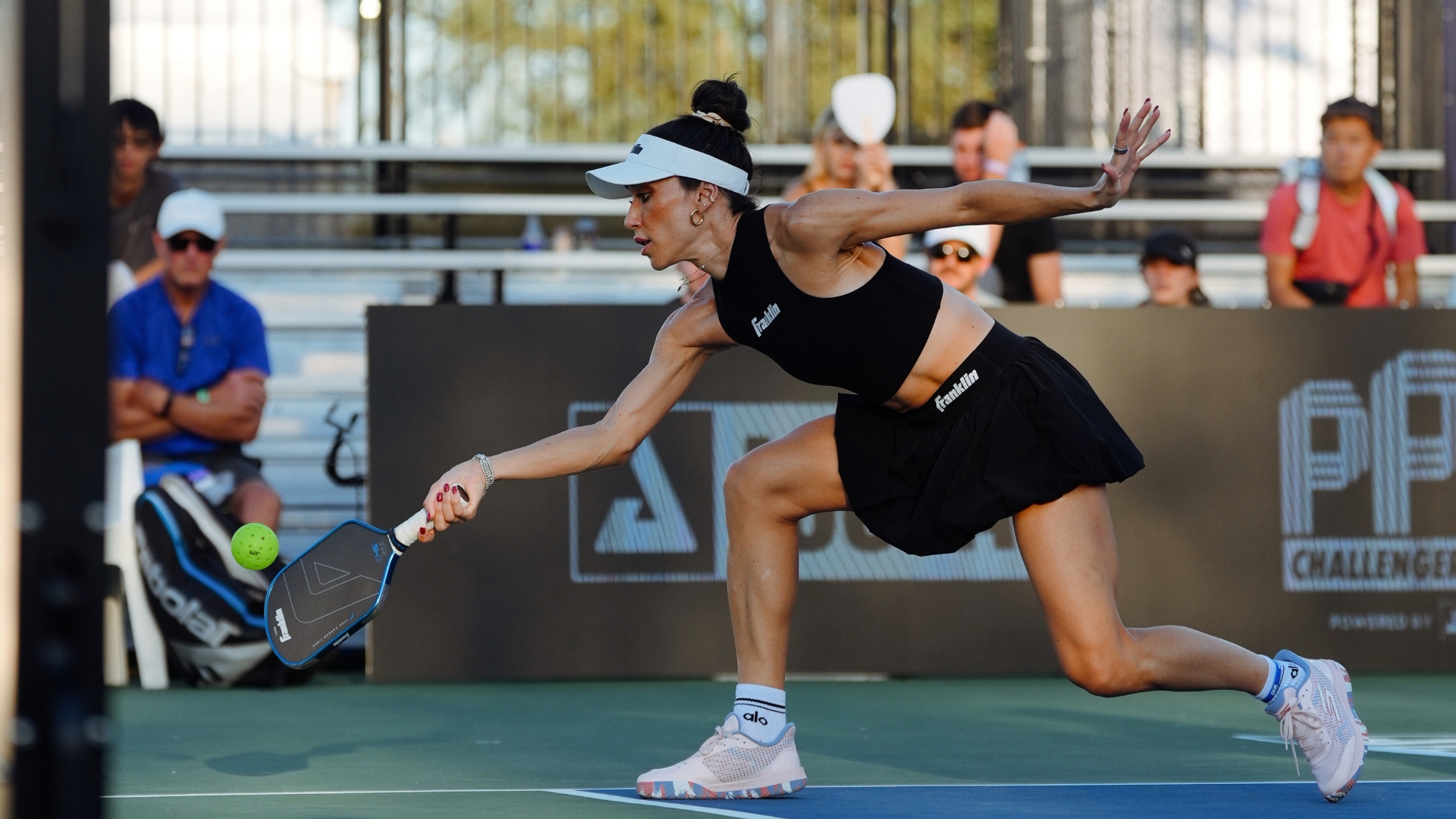
Clean mechanics. Millimeter-level shot placement. Explosive recoveries that appear physically improbable. It’s not speed that defines the battlefield of Asia’s technical style as much as anticipation.
“The intensity changes. The tempo accelerates. Precision becomes surgical.”
There are still gaps — for the average viewer, the visibility is not yet equal to the sport’s most established markets. But visibility tends to follow performance. And performance is already here.
Every rally these athletes produce carries a message: this is no longer a regional conversation.
LOVE PICKLEBALL?
Get Dink Authority Magazine updates, new editions, pro stories and event alerts.
We respect your privacy. Unsubscribe anytime.
It is the beginning of a continental shift.
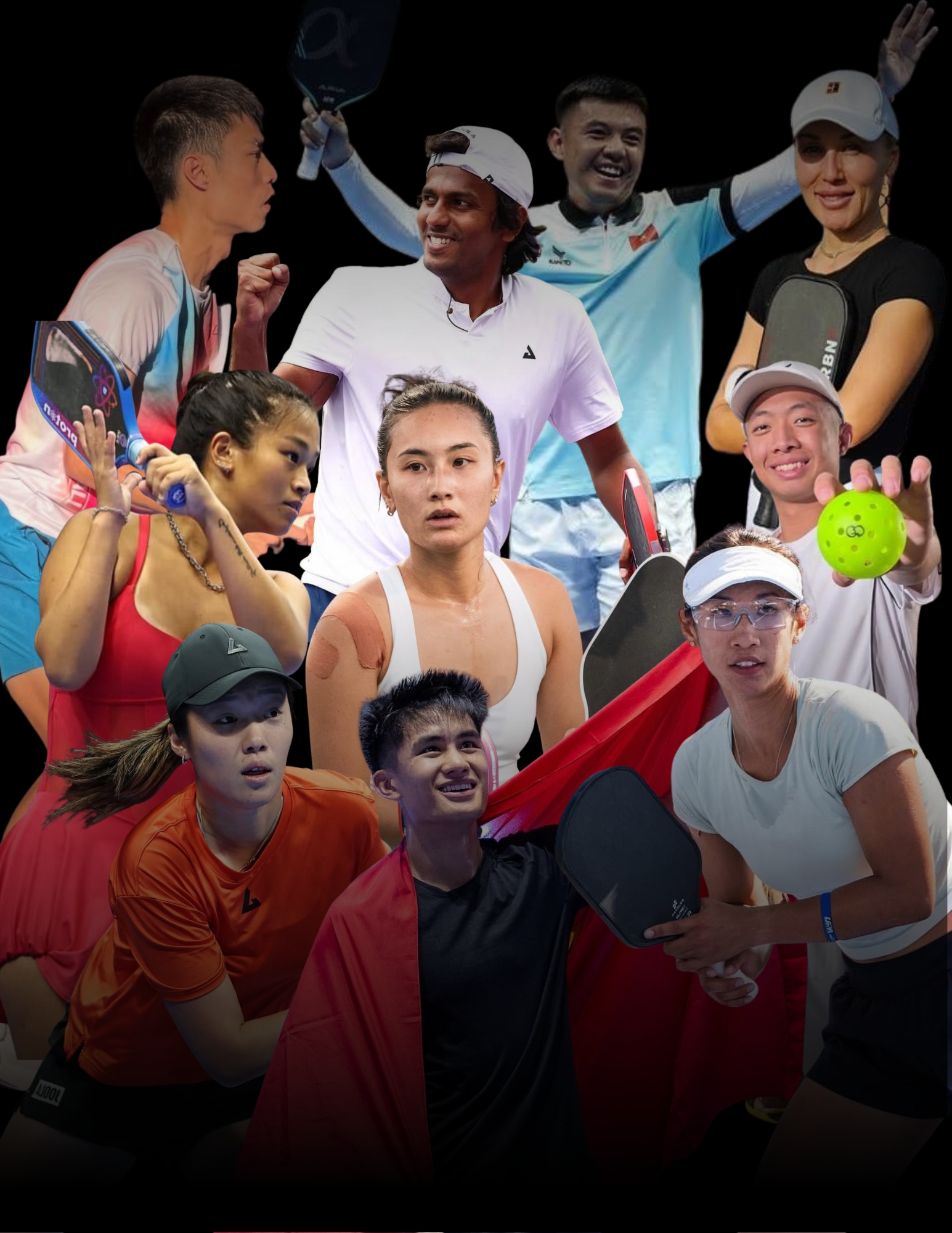
The 5 Men Leading The Asian Awakening
Wong Hong Kit (Hong Kong)
Hong Kit represents structural maturity within Asia’s competitive circuit. Compact mechanics, clean transitions, and elite shot anticipation make him one of the most complete players emerging from the region. While global recognition is still catching up, his consistency in international events signals a player ready for broader stages.
Ly Hoang Nam (Vietnam)
Vietnam’s tennis star brings competitive fire and remarkable physical preparation to pickleball. His experience in high-level tennis competition gives him a deep understanding of match tempo and pressure management.
Quang Duong (Vietnam)
Perhaps the most recognizable name in the Asian wave right now, Quang Duong combines explosive movement patterns with fearless shot selection. His trajectory is not limited to the regional circuit — he is preparing for sustained global competition.
Jonathan Truong (Vietnam)
Truong represents the emerging generation of Vietnamese competitors blending traditional racquet sport discipline with modern pickleball strategy. His adaptability and technical range make him one of the players to watch as Asian circuits mature.
Ammar Bhatia (India)
India’s presence in pickleball continues to accelerate, and Bhatia is one of its strongest signals. Intelligent point construction, controlled aggression, and remarkable endurance define his style. As infrastructure and competitive opportunities expand in India, players like Bhatia will be central to that growth.
The 5 Women Leading The Asian Wave
Ashley Kwon (Korea)
Kwon combines disciplined movement with tactical patience. Her court awareness and shot precision make her one of the most technically consistent competitors in the region.
Tseng Tzu Wei (Taiwan)
Technically precise and strategically composed, Tseng has quietly built a reputation as one of the most reliable competitors in Asia’s women’s circuit.
Aika Terao (Japan)
Japan’s rising generation of pickleball athletes carries a unique mix of tennis discipline and modern pickleball strategy. Terao’s consistency from the baseline and smart net transitions reflect that hybrid foundation.
Yuki Tani (Japan)
Tani represents the technical refinement often associated with Japanese racquet sports. Compact strokes, controlled tempo, and tactical patience define her approach.
Chae Ji Won (Korea)
Ji Won’s explosive athleticism and aggressive point construction have made her one of the most exciting emerging competitors in the Asian pickleball landscape.
Asia is no longer waiting for validation.
It is building its own competitive narrative.
As infrastructure grows and international competition expands, the next generation of players emerging from the region may redefine how the global balance of pickleball talent looks.
For now, these ten athletes represent the leading edge of that transformation.
And the awakening is only beginning.
— Dink Authority Editorial
DINK AUTHORITY TOP 10 — ASIA 2026
Our Editorial Selection of the Athletes Defining the Continental Standard
For years, Asia was described as an expansion territory for pickleball. An emerging wave. A developing promise.
That description is no longer accurate.
What we are witnessing today is not experimental growth. It is consolidated performance.
In international and continental tournaments, Asian players are no longer appearing as guests. They are competing as protagonists. This is not about isolated sparks or lucky breakthroughs. It is about consistency. Depth. Tactical versatility. Something shifts when one of these players steps onto the court.
From our perspective — watching matches live, reviewing international broadcasts, studying point construction rally by rally — what stands out is not simply that they win. It is how they win.
Clean mechanics. Millimeter-level shot placement. Explosive recoveries that appear physically improbable. It’s not speed that defines the battlefield of Asia’s technical style as much as anticipation.
Current Issue
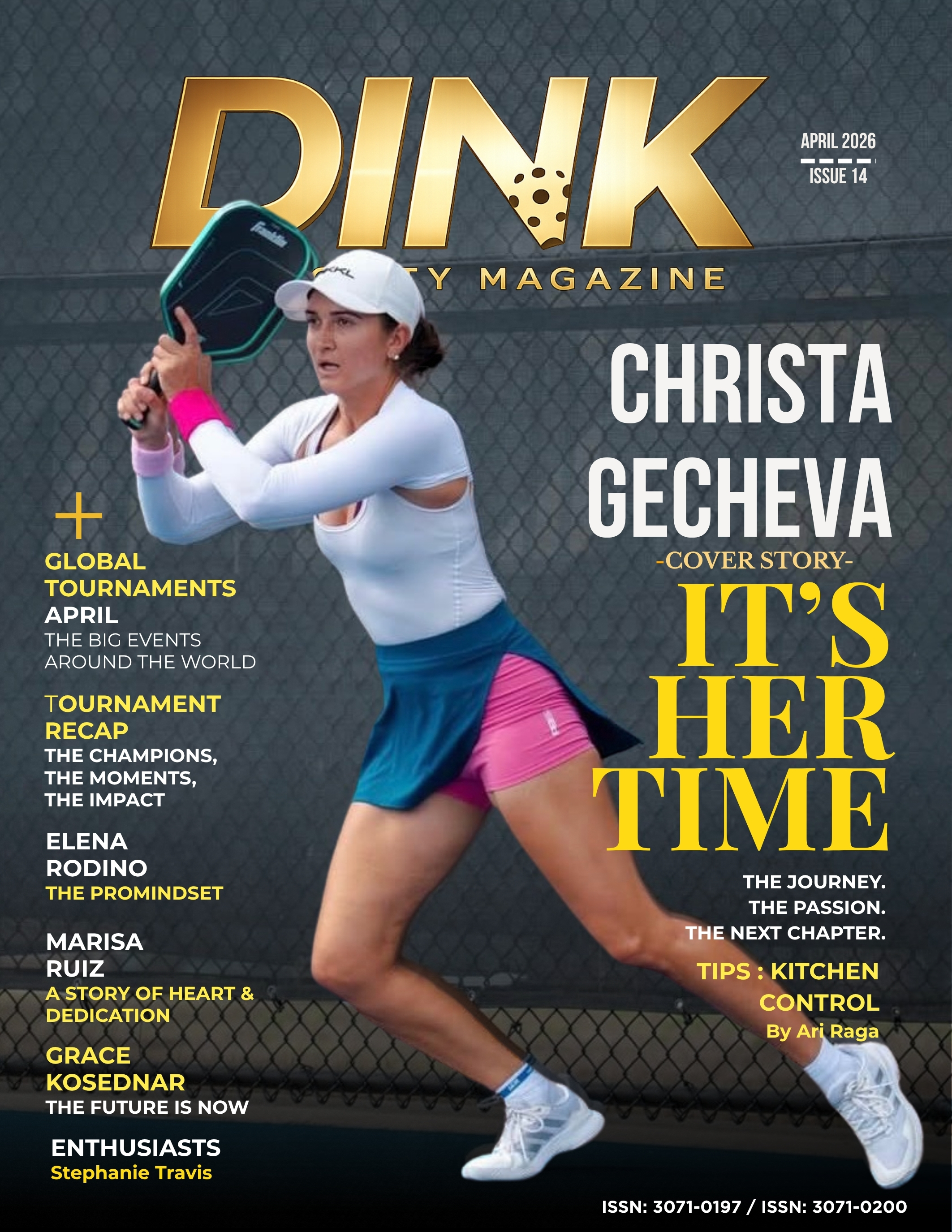
Dink Authority Magazine – April 2026
Read Now →
“The intensity changes. The tempo accelerates. Precision becomes surgical.”
There are still gaps — for the average viewer, the visibility is not yet equal to the sport’s most established markets. But visibility tends to follow performance. And performance is already here.
Every rally these athletes produce carries a message: this is no longer a regional conversation.
LOVE PICKLEBALL?
Get Dink Authority Magazine updates, new editions, pro stories and event alerts.
We respect your privacy. Unsubscribe anytime.
It is the beginning of a continental shift.
The 5 Men Leading The Asian Awakening
Wong Hong Kit (Hong Kong)
Hong Kit represents structural maturity within Asia’s competitive circuit. Compact mechanics, clean transitions, and elite shot anticipation make him one of the most complete players emerging from the region. While global recognition is still catching up, his consistency in international events signals a player ready for broader stages.
Ly Hoang Nam (Vietnam)
Vietnam’s tennis star brings competitive fire and remarkable physical preparation to pickleball. His experience in high-level tennis competition gives him a deep understanding of match tempo and pressure management.

Quang Duong (Vietnam)
Perhaps the most recognizable name in the Asian wave right now, Quang Duong combines explosive movement patterns with fearless shot selection. His trajectory is not limited to the regional circuit — he is preparing for sustained global competition.
Jonathan Truong (Vietnam)
Truong represents the emerging generation of Vietnamese competitors blending traditional racquet sport discipline with modern pickleball strategy. His adaptability and technical range make him one of the players to watch as Asian circuits mature.
Ammar Bhatia (India)
India’s presence in pickleball continues to accelerate, and Bhatia is one of its strongest signals. Intelligent point construction, controlled aggression, and remarkable endurance define his style. As infrastructure and competitive opportunities expand in India, players like Bhatia will be central to that growth.
The 5 Women Leading The Asian Wave
Ashley Kwon (Korea)
Kwon combines disciplined movement with tactical patience. Her court awareness and shot precision make her one of the most technically consistent competitors in the region.
Tseng Tzu Wei (Taiwan)
Technically precise and strategically composed, Tseng has quietly built a reputation as one of the most reliable competitors in Asia’s women’s circuit.
Aika Terao (Japan)
Japan’s rising generation of pickleball athletes carries a unique mix of tennis discipline and modern pickleball strategy. Terao’s consistency from the baseline and smart net transitions reflect that hybrid foundation.

Yuki Tani (Japan)
Tani represents the technical refinement often associated with Japanese racquet sports. Compact strokes, controlled tempo, and tactical patience define her approach.
Chae Ji Won (Korea)
Ji Won’s explosive athleticism and aggressive point construction have made her one of the most exciting emerging competitors in the Asian pickleball landscape.
Asia is no longer waiting for validation.
It is building its own competitive narrative.
As infrastructure grows and international competition expands, the next generation of players emerging from the region may redefine how the global balance of pickleball talent looks.
For now, these ten athletes represent the leading edge of that transformation.
And the awakening is only beginning.
— Dink Authority Editorial